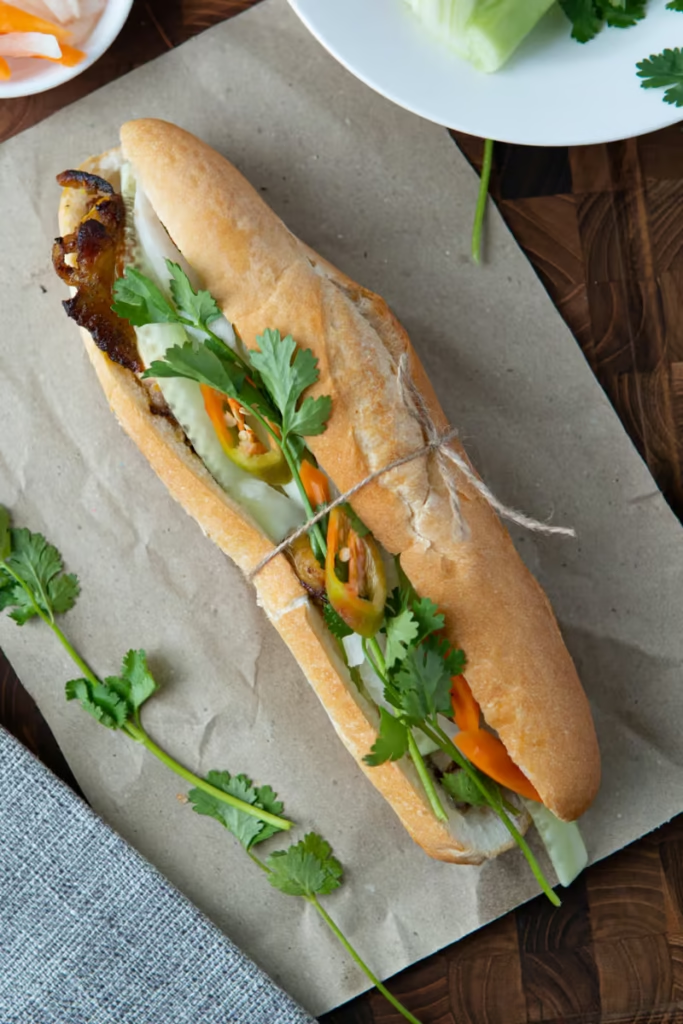
Đồ Chua – Vietnamese Pickled Carrots and Daikon
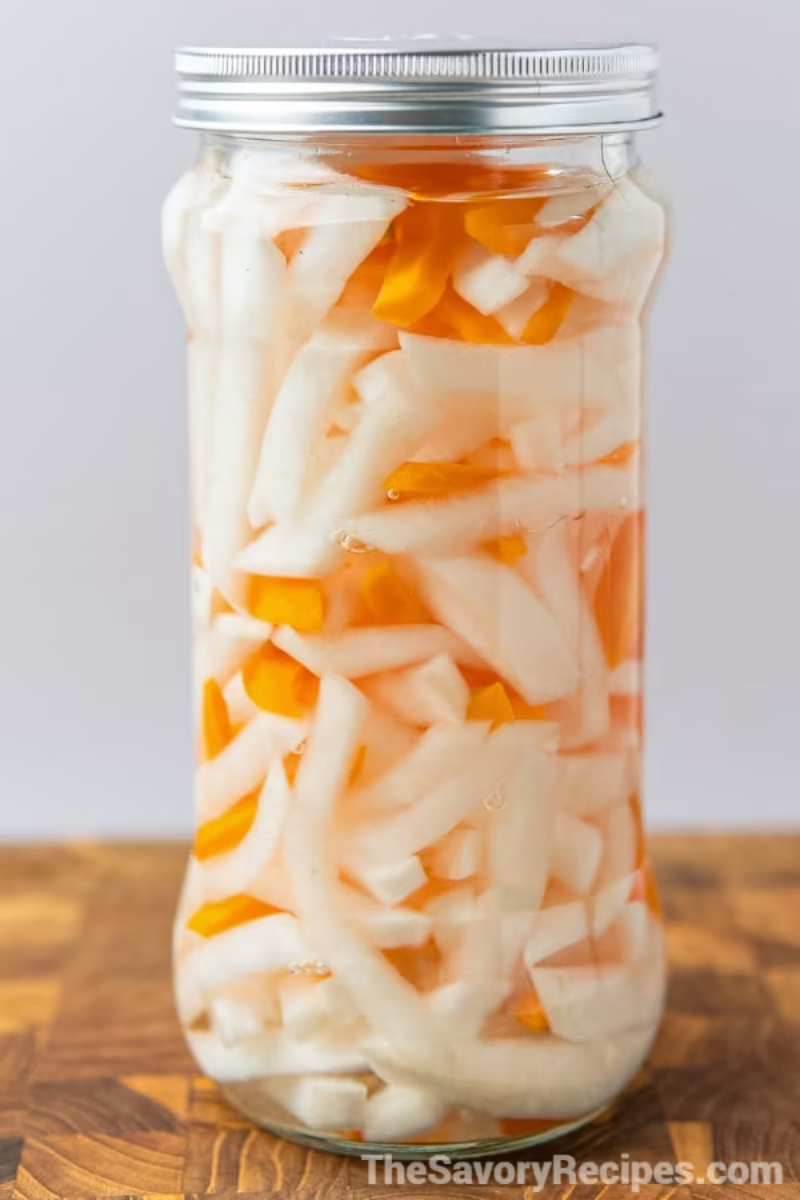
Tangy, crunchy, and just a little sweet — đồ chua a.k.a Vietnamese Pickled carrots and daikon is the small jar of magic that makes every Vietnamese dish taste complete. You only need 5 simple ingredients, about 20 minutes of hands-on work, and a little patience. Then it lives in your fridge for up to a month, ready whenever you need it.
Why I Always Keep a Jar in My Fridge
My mom never followed a recipe. She cooked entirely by feel — a pinch of this, a pour of that — and somehow everything came out perfect every time. One thing that was always in her fridge, without fail, was a jar of đồ chua.
She’d pull it out for bánh mì nights, spoon it alongside grilled meats, or just set it on the table as a side for whatever she was making that evening. It was never the star of the meal. But without it, something always felt missing.
It took me years to realise that this is exactly the kind of recipe that makes Vietnamese home cooking so good. Not the complicated dishes — the simple staples that are always ready, always in the background, always making everything taste better. This đồ chua recipe is my version of that. Make a jar on Sunday, and you’ll be reaching for it all week long.
What Is Đồ Chua (Vietnamese Pickled Carrots and Daikon)?
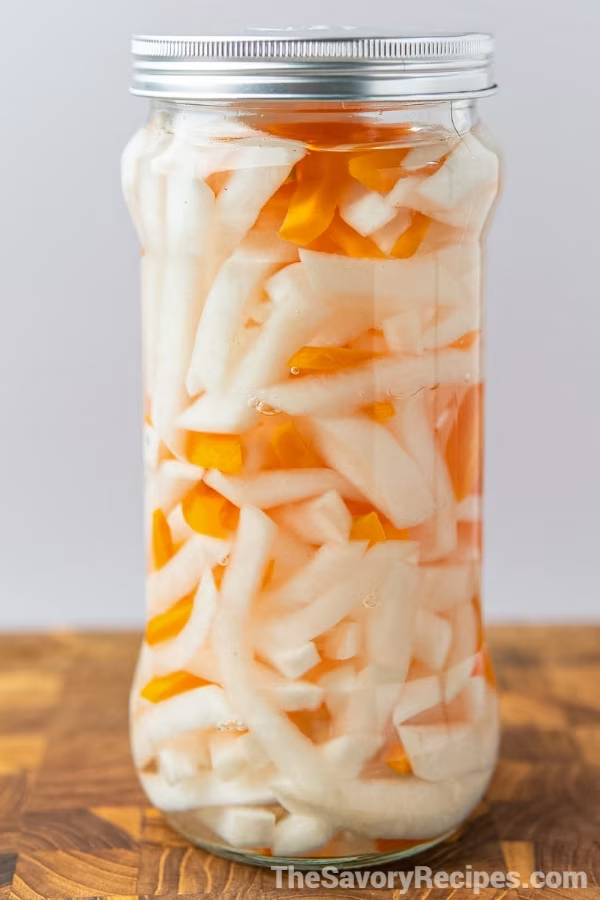
Đồ chua (pronounced doh jwah) literally translates to “sour stuff” in Vietnamese. Not the most glamorous name — but trust me, what’s inside the jar is anything but ordinary.Unlike Western-style pickles that lean heavily on dill and garlic, đồ chua is lighter, brighter, and just a touch sweet.
It’s a vinegar-brined pickle that keeps the vegetables crisp and fresh-tasting, not soft or overpowering. One bite and you’ll immediately understand why it belongs on everything. It’s the essential condiment of Vietnamese cooking.
You’ll find it stuffed inside bánh mì sandwiches or put on top of bún thịt nướng (grilled pork vermicelli bowls), served alongside cơm tấm (broken rice plates), and tossed into noodle salads and rice bowls. Some people — myself included — will happily eat it straight from the jar with a fork. No judgment here.
What makes đồ chua so special is its role at the Vietnamese table: it brings balance. The bright acidity cuts through rich, fatty, or savoury dishes, adding a satisfying crunch that makes every bite more interesting. It’s the reason a simple bowl of noodles or a grilled meat plate feels complete. Once you have a jar in your fridge, you’ll wonder how you ever cooked without it.
Ingredients, Substitutions & Adjustments
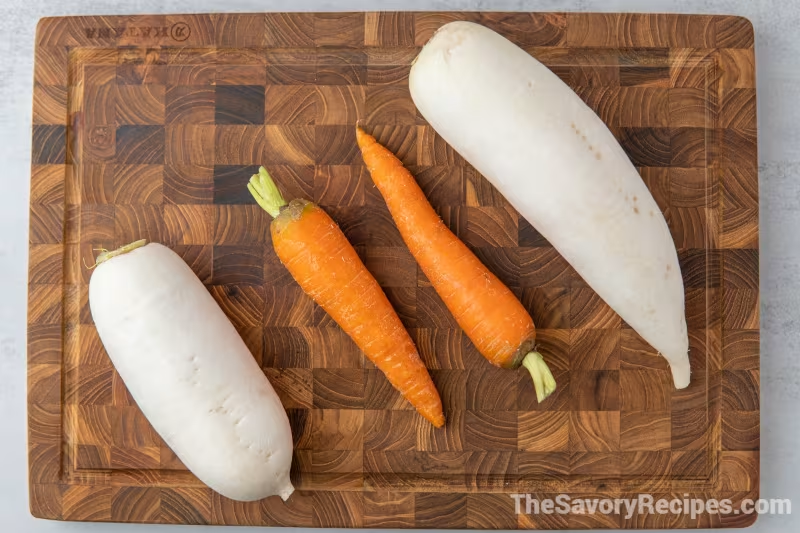
Here’s what you need and what to know about each ingredient. Full quantities are in the recipe card below.
Daikon
Daikon is a large white radish with a mild, slightly peppery flavour that mellows beautifully in the brine. When you’re shopping, look for one that feels firm and heavy for its size — that’s a sign it’s fresh and juicy inside. Avoid any that feel spongy or hollow.
For this recipe, you’ll use white daikon, which works out to about 1 large or 2–3 medium ones. The higher daikon-to-carrot ratio is intentional — it’s how authentic đồ chua is made, and it gives the pickles that characteristic mild, tangy crunch.
Can’t find daikon? You can substitute with red daikon, kohlrabi or any daikon you have or even cucumber for a quick swap, though the flavour will be slightly different.
Carrots
Carrots add colour and a natural sweetness that balances the brine’s acidity perfectly. You only need – about 1 medium carrot – because in Vietnamese đồ chua, daikon is the star and carrots are the supporting act.
One tip: try to cut your carrots and daikon into chopsticks of similar thickness. Uniform pieces pickle at the same rate and look much better in the jar.
White Vinegar
White vinegar gives đồ chua its clean, sharp tang without adding any competing flavours. It’s the most authentic choice and what you’ll find in traditional Vietnamese recipes. Rice vinegar works too, but it’s milder and slightly sweeter — the pickles will taste a little more gentle and less zippy. Both are great; it just depends on how bold you want the flavour.
Apple cider vinegar is another option in a pinch, but it adds a fruity note that changes the flavour profile quite a bit.
The Brine Ratio
The brine is just four ingredients: hot water, sugar, salt, and vinegar. Simple — but the balance matters. Too much sugar, and it tastes like candy. Too much vinegar and it’s sharp and harsh. The ratio in this recipe hits that sweet spot: tangy enough to do its job, sweet enough to be craveable, and salty enough to season the vegetables properly.
One important step: always let the brine cool completely before pouring it over the vegetables. Hot brine will cook the daikon and carrot slightly, making them soft instead of crisp. Room temperature brine keeps everything crunchy. Check out these cooking tips for more helpful prep tricks like this.
How to Make Vietnamese Pickled Carrots and Daikon?
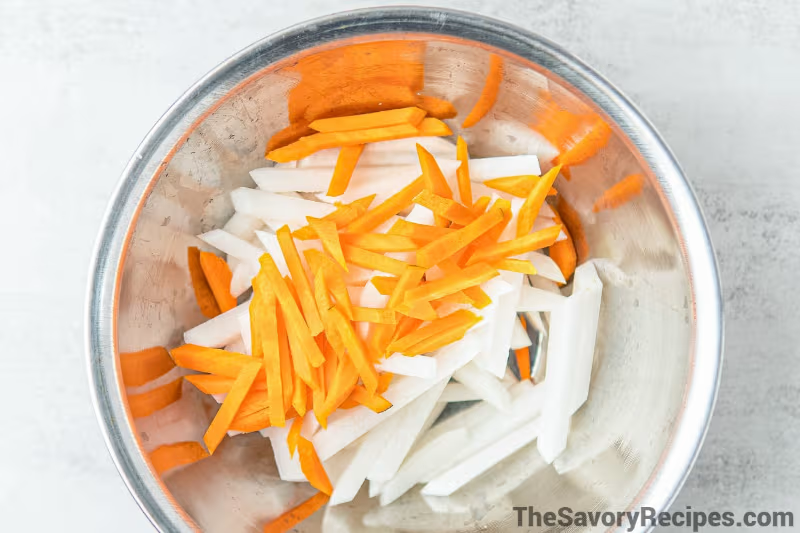
This recipe comes together in four easy steps. The hands-on time is only about 20 minutes — the rest is just waiting.
Step 1 — Make the Brine First (and Let It Cool!)
Start by dissolving the salt and sugar in hot water, then bring it to a boil. Once it’s boiling, add the white vinegar, take it off the heat, and set it aside to cool to room temperature.
This is the most important step to get right: do not rush the cooling. A hot brine poured over your vegetables will soften them and rob them of that satisfying crunch. Make the brine first, let it sit, and move on to prepping the vegetables while it cools.
Step 2 — Julienne the Veggies
Peel the daikon and carrot, then cut them into thin chopsticks about 5–6 cm long and 0.5-1 cm thick. You can use a mandoline slicer or julienne peeler for speed, or just use a sharp knife if you prefer.
The thickness is up to you — thinner pieces pickle faster and are more tender, while thicker pieces stay crunchier and take a little longer. For most people, thin matchsticks hit the sweet spot, but I prefer the thicker ones.
Step 3 — Salt, Rest, Rinse & Squeeze
Add the julienned daikon and carrot to a large bowl and toss with 1 tablespoon of salt until everything is evenly coated. Let them sit for 30 minutes.
Here’s what’s happening: the salt draws excess moisture out of the vegetables, which does two things. First, it softens them just enough to become pliable and pickle-ready. Second, it removes the raw, slightly bitter edge that daikon can have. You’ll know they’re ready when you can bend a piece without it snapping — that’s the classic bend test.
After 30 minutes, rinse the daikon and carrot thoroughly under cold water to remove all the salt. Then, working in small handfuls, squeeze out as much water as you possibly can. The drier the vegetables, the better they’ll absorb the brine and the crunchier they’ll stay.
Step 4 — Jar It Up and Wait (the Hardest Part)
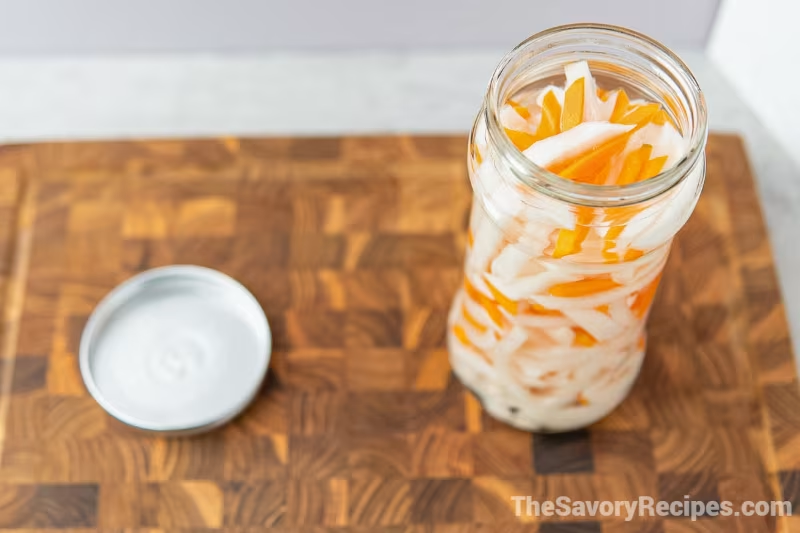
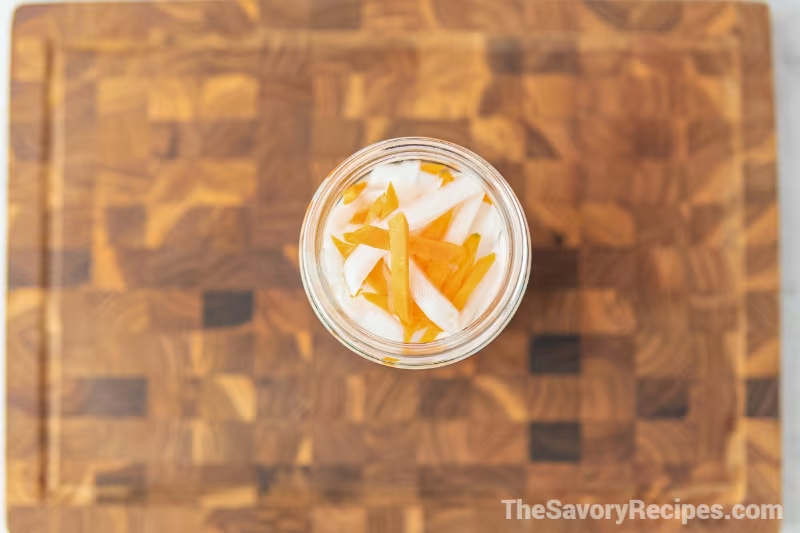
Pack the squeezed daikon and carrot tightly into a clean glass jar. Pour the cooled brine over the vegetables until they’re fully submerged. If you run out of brine before the vegetables are covered, just mix a little more water and vinegar and top it off.
Seal the jar and leave it at room temperature for 24 hours. This initial room-temperature rest jumpstarts the pickling process. After 24 hours, move it to the fridge. The pickles are technically ready to eat at this point, but they get noticeably better after 2–3 days as the flavour deepens.
And that’s it. Your own homemade đồ chua — ready to go on your Vietnamese grilled chicken sandwich, noodle bowls, rice plates, or honestly, anything you put in front of you.
Frequently Asked Questions
Fridge: Store in a sealed glass jar in the refrigerator for up to 1 month. Glass is strongly recommended over plastic — it doesn’t absorb odours or stain, and it keeps the pickles tasting cleaner.
Keep the vegetables submerged: Make sure the daikon and carrots remain submerged in the brine at all times. If the brine level drops, top it up with a little extra water and vinegar mixed together.
Use clean utensils: Every time you reach into the jar, use a clean fork or tongs. Introducing bacteria from dirty utensils is the fastest way to spoil a batch early.
Freezer: Not recommended. Freezing breaks down the texture of the vegetables and turns them mushy. This is a fridge-only pickle.
Already assembled in bánh mì: Don’t store assembled sandwiches — the bread will go soggy quickly. Keep the đồ chua separate and assemble fresh each time.
If you’ve never had it before, the best way to describe đồ chua is: tangy, lightly sweet, and crisp — kind of like a pickle, but brighter and more refreshing. It doesn’t have the intense sourness of Western dill pickles.
The brine is balanced so that the sweetness tempers the vinegar, leaving you with something that wakes up your taste buds without overwhelming them.
The daikon has a very mild bite; the carrot adds a touch of natural sweetness. Together, they’re addictive.
Yes, you can — but the flavour will be slightly different. Rice wine vinegar is milder and has a subtle sweetness of its own, which makes the brine taste a little softer and less sharp. White vinegar gives you that classic, clean tang that’s closest to the traditional version.
Both work, so go with whatever you have on hand. Just avoid apple cider vinegar — it adds its own distinct flavour that doesn’t quite fit here.
The short answer: a lot. Đồ chua is most famous as a topping for bánh mì sandwiches, where it balances out the savoury meat and rich pâté. But it’s just as good alongside cơm tấm (Vietnamese broken rice), vermicelli noodle bowls (bún), grilled meats, and even salads.
It also makes a great addition to fresh spring rolls or rice paper rolls for extra crunch. Honestly, if a dish feels a little heavy or rich, a spoonful of đồ chua is almost always the answer. It pairs beautifully with other easy vegetarian recipes, too, adding brightness to plant-based plates.
Want more recipes like this? Visit thesavoryrecipes.com and explore hundreds of simple, flavorful dishes — from Vietnamese classics to easy everyday meals. Subscribe to the newsletter and get fresh recipes delivered straight to your inbox every week. No complicated techniques, no hard-to-find ingredients — just good food made simple, right when you need it.
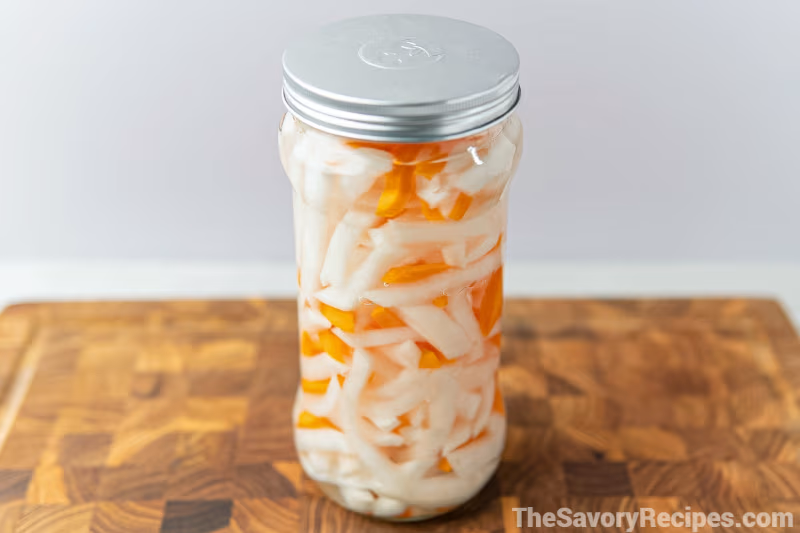
Đồ Chua – Vietnamese pickled carrots and daikon
Equipments
- 1 glass jar
- 1 Mandolin slicer
Ingredients
- 600 gram Sliced daikon (approximately 1 large daikon or 2-3 medium daikon)
- 200 gram Sliced carrots (approximately 1 medium carrot)
- 1 tbsp salt
- 1 tbsp granulated sugar
- 3/4 cup hot water
- 1/5 cup white vinegar
Instructions
- Make the brine – Dissolve salt and sugar in hot water, bring to a boil, then add vinegar. Remove from heat and let it cool completely.
- Prep the veggies – Peel the daikon and carrot, then cut them into thin matchsticks.
- Salt them – Toss the veggies with salt and let them sit for 30 minutes. This draws out extra moisture and keeps them crisp.
- Rinse and squeeze – Rinse well under cold water, then squeeze out as much water as you can — a dry veggie pickles better.
- Jar it up – Pack the veggies tightly into a glass jar and pour the cooled brine over them until fully submerged. Seal and leave at room temperature for 24 hours, then move to the fridge. Stays fresh for up to 1 month.
Notes
Related Posts