
Cây Gia Vị Việt Nam – Essential Vietnamese Herbs Guide
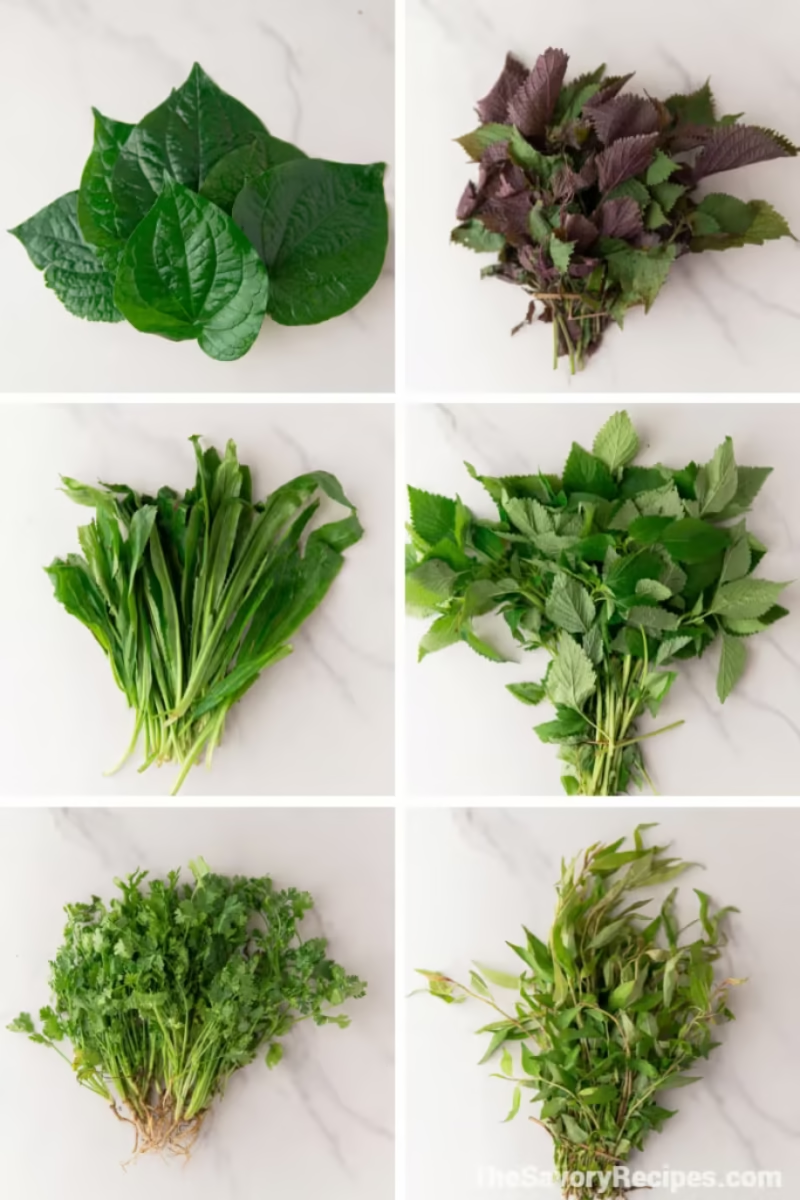
My mom never measured anything. But every single evening before dinner, she’d sit at the kitchen table with a bowl of water and a pile of fresh herbs, quietly picking through the leaves — pulling off anything yellowed, tearing the larger ones in half, keeping only the best. Rau húng, tía tô, ngò gai, hành lá.
Each one was handled with the same quiet care. I didn’t understand it then. I thought it was just something she did. Now I get it: those herbs were the dish. The broth was just the beginning.
Cây gia vị Việt Nam – Vietnamese herbs are different from the dried rosemary or oregano in your spice rack. They are always used fresh and are not just an extra touch – they add flavor at the table, letting you tailor the dish to your own taste. This is what makes Vietnamese meals so personal: the same bowl of bún bò Huế can taste very different depending on which herbs you add.
Besides flavor, many of these herbs have been used in Vietnamese traditional medicine for generations — often to help digestion, cool the body, and reduce swelling. Food and medicine have always been connected.
The Essential Vietnamese Herbs (Cây Gia Vị Việt Nam)
Fresh Vietnamese herbs are sold at most Asian grocery stores, often bundled and labeled by their Vietnamese name. Here’s what you’re looking at.
Thai Basil – Húng Quế
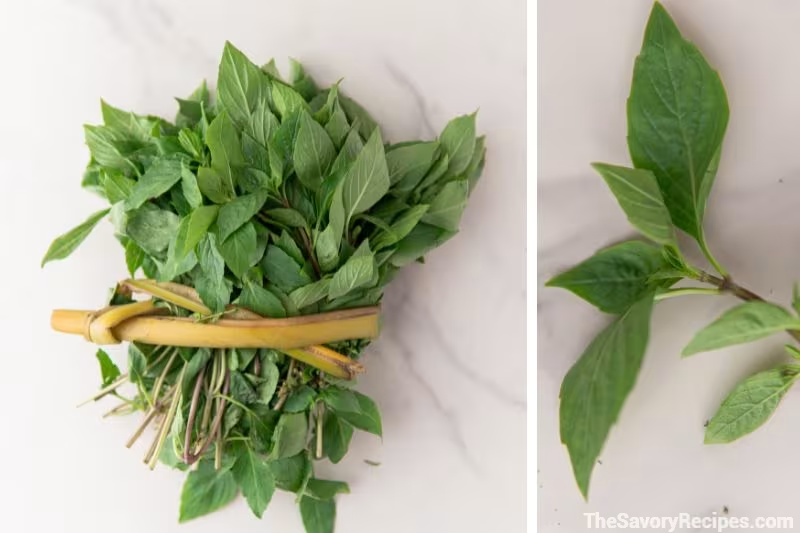
Húng Quế – Thai basil (Ocimum basilicum var. thyrsiflora) has sturdier, darker leaves than Italian basil and purple stems. It holds up to heat, which is why it’s the basil of choice for Phở – tear a few leaves and drop them into the hot broth, where they wilt and release that anise fragrance.
It also goes into bún bò Huế, stir-fries, and summer rolls. Thai basil is rich in antioxidants and has long been used in traditional Vietnamese medicine to relieve respiratory issues.
Flavor: Sweet, slightly spicy, with a distinct anise note.
Health Benefits: Thai Basil contains compounds that help the body handle stress, improve mood, and support sleep. Antioxidants and minerals in Thai Basil, such as magnesium and beta-carotene, help control blood pressure and lower bad cholesterol. (Antioxidant Lipid Supplement on Cardiovascular Risk Factors: A Systematic Review and Meta-Analysis, 2024)
Besides, eugenol oil in Thai Basil has strong anti-inflammatory properties that help reduce swelling and ease arthritis and common aches.
Served with: Bún Bò Huế – Vietnamese Spicy Beef & Pork Noodle Soup; Phở – Vietnamese Beef Noodle …
Vietnamese Coriander – Rau Răm
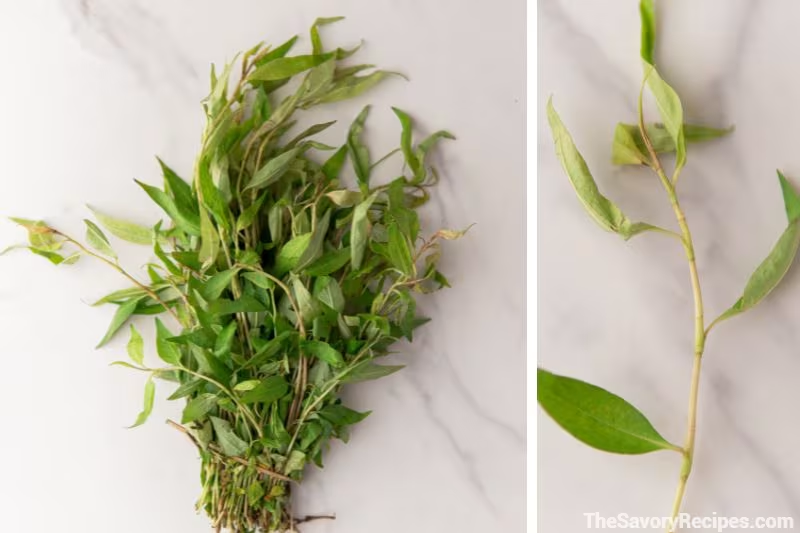
Rau răm – Vietnamese coriander (Persicaria odorata) has narrow, pointed leaves with a distinctive dark chevron mark. It’s a staple in gỏi, especially gỏi gà (chicken salad) and gỏi vịt (duck salad), and it’s the classic pairing for hột vịt lộn (balut).
Flavor: Sharp, peppery, a little citrusy – spicier version of standard cilantro and earthy undertones.
Health Benefits: Vietnamese coriander (rau răm) warms the body, may help digestion, and relieve bloating, gas, and indigestion. It is often eaten with fertilized duck eggs and seafood salads to lower the chance of stomach chills, belly pain, or diarrhea.
Its oxalic acid content supports digestion and helps relieve bloating, which is why it often appears alongside rich, heavy proteins. (Surprising uses for a common herb used in meals, 2025)
Served with: Vietnamese salads; Gỏi Gà – Chicken salad; Gỏi Vịt – Duck Salad; Hột Vịt Lộn – Boiled Balut; Bún Thang – Vietnamese Chicken Noodle Soup …
Note: Avoid during pregnancy.
Cilantro – Ngò Rí
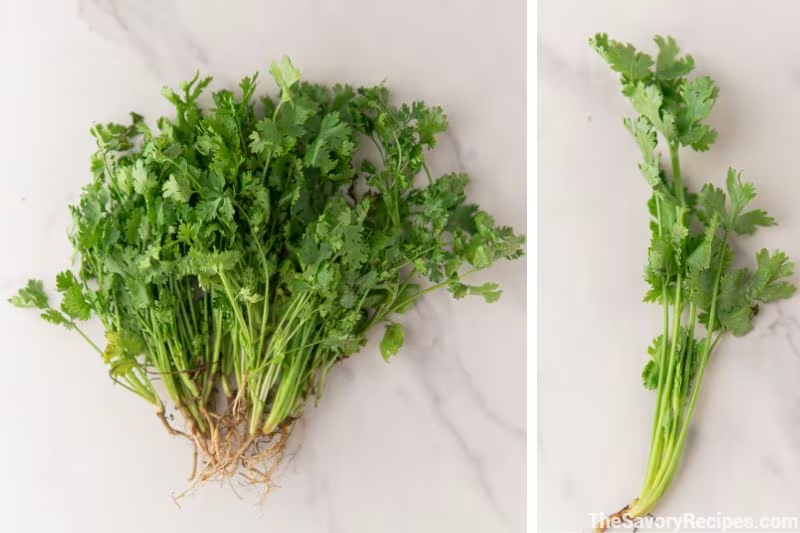
Ngò Rí / Rau mùi / Ngò suôn – Cilantro (Apiaceae) is a fragrant herb often grown for cooking and essential oils. In many places, its fruit is grown for medicinal and perfumery purposes.
In Vietnamese cooking, cilantro goes into bánh mì, bowls of cháo (congee), and fresh sauces and dipping broths. In northern Vietnam, it’s finer-stemmed and more fragrant; in the south, the leaves tend to be bigger and slightly milder. Both the leaves and roots are used — roots go into stock for a deeper aroma.
Flavor: Fresh, citrusy, slightly soapy to some people
Health Benefits: Cilantro contains compounds that help the body process sugar and maintain steady blood sugar levels. It also eases bloating, belly swelling, and indigestion. Coriander oil is helpful for people with irritable bowel syndrome (IBS). (Mandal et al., 2023)
Served with: Phở – Vietnamese Beef Noodle ( Often with Northern Phở ) ; Bánh Mì Gà Nướng – Vietnamese Grilled chicken ….
Perilla – Tía Tô
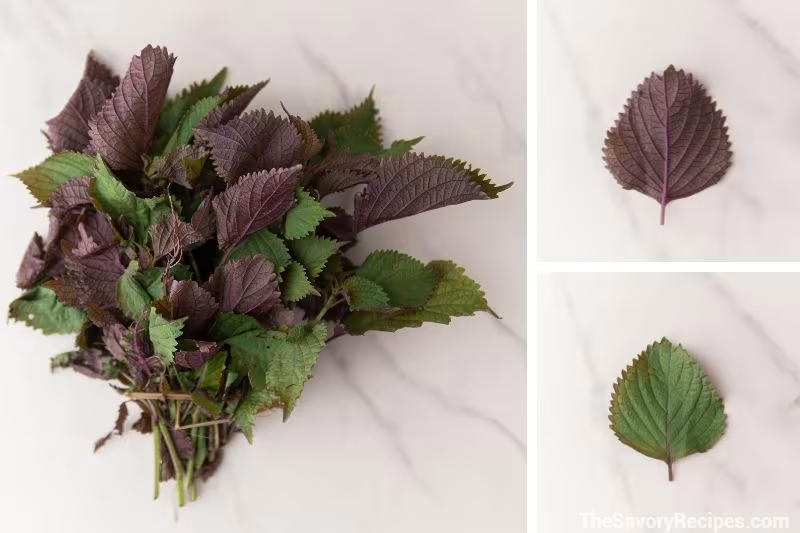
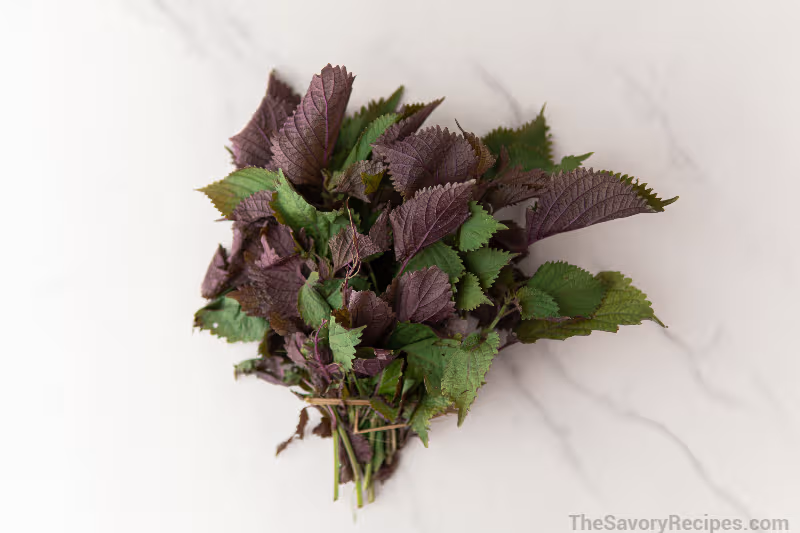
Tía tô – Perilla (Perilla frutescens var. crispa) is a leafy plant with jagged edges and purple underneath. It is used in bún chả, bánh xèo, and Vietnamese spring rolls, and also to wrap grilled meats at the table. Traditionally, it helps ease cold symptoms and aids digestion.
People also mix it with hot water and lemon for a summer drink that helps with colds and cools the body. Its mild flavor makes it very versatile: it works in almost any dish.
Flavor: Mild, slightly minty, with an earthy, almost anise-like depth.
Health Benefits: Drinking perilla leaf tea or eating perilla porridge can help you sweat, get over colds faster, reduce coughs, and clear airways for people with asthma. Its antioxidants help fade dark spots, brighten skin, and support burning extra fat. (What are the health benefits of drinking perilla leaf tea?, 2024)
Served with: Vietnamese Spring rolls ; Bún Chả – Vietnamese Grilled Pork with Rice Noodles; Perilla Drinks; Bánh Xèo ….
Culantro / Saw-Tooth Herb – Ngò Gai
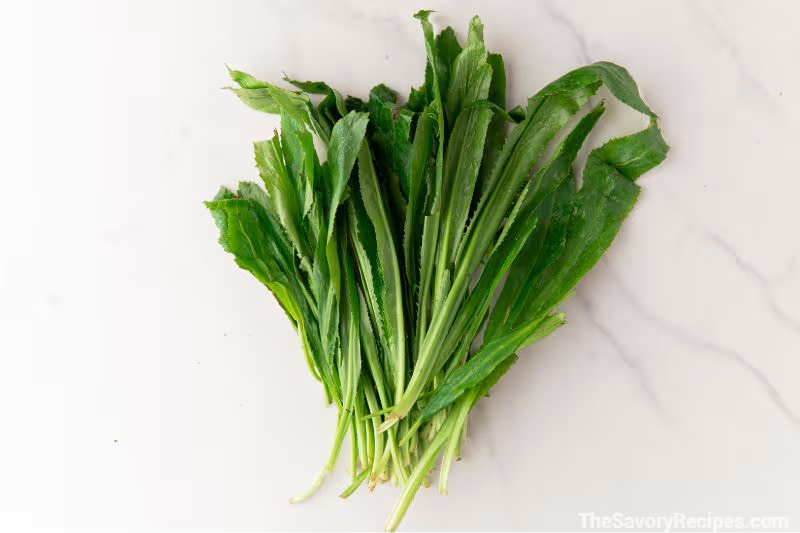
Ngò gai – Culantro / Saw-Tooth Herb (Eryngium foetidum) is a low-growing herb with leaves that form a rosette at the base. It’s one of the most important herbs for Bún Chả as part of the herb plate — and it also shows up in bún bò Huế and many southern Vietnamese soups.
Because the flavor is so concentrated, you don’t need much. Tear or roughly chop before adding to avoid big, bitter bites.
Flavor: Like cilantro, but louder. More intense, slightly bitter edge.
Health Benefits: Saw-Tooth Herb helps stimulate the stomach and reduce bloating, gas, and indigestion due to its unique aroma. Traditional use says coriander tea helps increase urine flow to remove small kidney stones. (Nirumand et al., 2018)
Served with: Bún Chả (Vietnamese Grilled Pork with Rice Noodles), Bánh Xèo, Vietnamese Spring Rolls, duck dishes, Bún Bò Huế, and other southern Vietnamese soups. Use sparingly due to its strong flavor.
Note:
– Pregnant women, people with stomach ulcers, liver disease, or asthma should use it less.
Spring Onion / Scallion – Hành Lá
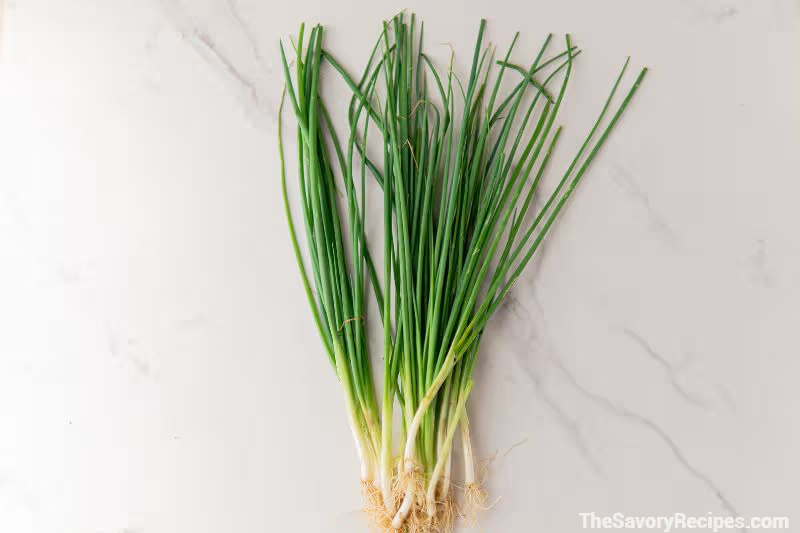
Hành lá – Spring onion / Scallion (Allium fistulosum L) is a plant with a hollow, round green stem and leaves 30-50 cm long. The white base is thicker, and the plant is so common you might forget it is an herb. It is used in almost everything: sprinkled on soups, stirred into congee, mixed into dipping sauces, fried in oil as a garnish for bún bò Huế.
The white parts have a stronger taste; the green tops are milder and better eaten raw. If you start a Vietnamese herb collection, this should be the first one to have.
Flavor: Mild, fresh, oniony — gentle enough for raw use.
Health Benefits: Spring onions are high in Vitamin C, which boosts immunity and helps protect against colds. They help the body produce digestive juices and prevent intestinal parasites. Besides, they also have plenty of Vitamin K, which strengthens bones and helps blood clot.
Served with: Bún Chả – Vietnamese Grilled Pork with Rice Noodles, Bún Thang – Vietnamese Chicken Noodle Soup, Phở – Vietnamese Beef Noodle, Bánh Xèo …
Rice Paddy Herb – Ngò Om
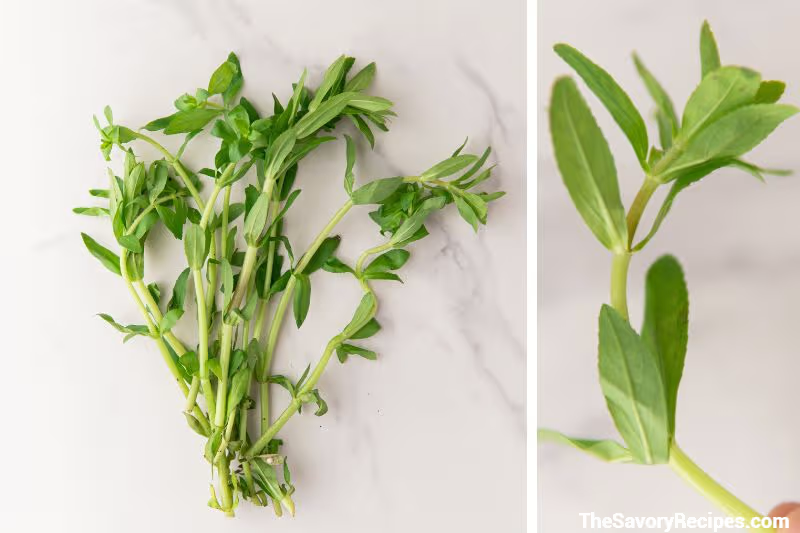
Ngò om – Rice paddy herb is a low-growing plant with a hollow, fragile stem 20-30 cm long, covered in many hairs, and very fragrant. The leaves are smooth, grow opposite each other, and partly wrap the stem. The stem is white when young or in humid conditions; it turns a bit purple as it ages or grows in dry areas.
The stem can grow roots if it spreads along the ground and forms joints. The leaves near the stem are smaller, with small, spaced teeth on the edges. It has a unique flavor: a bright mix of cumin and citrus that works well in sour, broth-based dishes.
Its natural home is canh chua (Vietnamese sweet-and-sour soup) — added at the last minute of cooking so the heat releases the fragrance without destroying it. It’s delicate and sold mainly at Asian specialty stores. If you’re cooking canh chua from scratch, this herb is non-negotiable.
Flavor: Citrusy and cumin-like — unusual, almost tropical.
Health Benefits: Rice paddy herb has compounds that help clean the intestines and reduce swelling. They relax muscles, increase urine flow to remove small stones, and reduce cramps. They help detox the body, cool the liver, and reduce acne and boils. They relax intestinal muscles, easing bloating, indigestion, and belly pain. (THE BENEFITS OF RICE PADDY HERB ESSENTIAL OIL, 2024)
Served with: Vietnamese Sweet & Sour Fish Soup, Bún Chả – Vietnamese Grilled Pork with Rice Noodles, Vietnamese hot pot, Stir-fried frog …
Vietnamese Balm – Kinh Giới
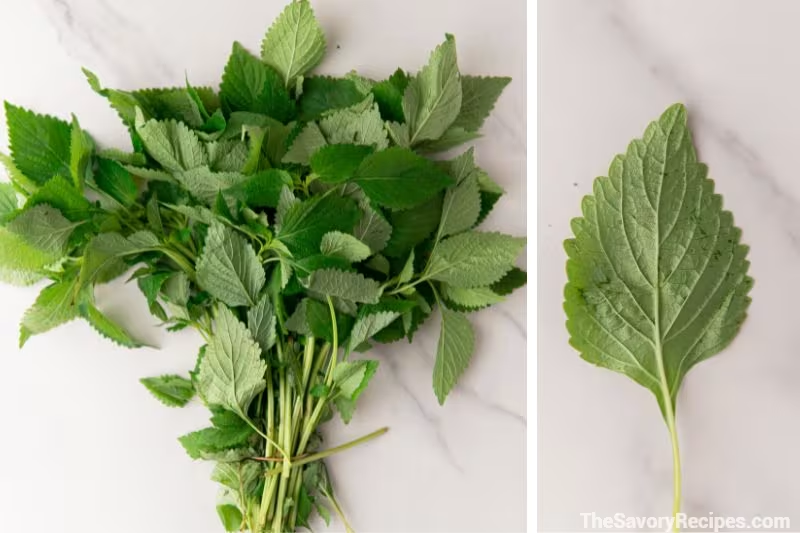
Kinh giới – Vietnamese Balm (Elsholtzia cristata) has a square, upright stem about 30-50 cm tall. The small, pale purple flowers grow in clusters at the ends of branches. The plant has essential oil with a strong, bitter taste and a fragrant smell. It grows on hills, unused land, sunny spots, riverbanks, and in forests at elevations from 0 to 3,400 m.
Found in many countries, including India, Cambodia, and China, it is an underrated herb here. Its soft, scalloped leaves have a gentle lemon-mint scent that pairs well with cold dishes like Bún chả and nem cuốn, as well as with steamed fish. It is subtle — more of a smell than a strong taste — but you notice when it is missing. Like other Vietnamese herbs, it is traditionally used to ease cold symptoms.
Flavor: Lemony, floral, faintly minty — delicate and aromatic.
Health Benefits: Vietnamese Balm has natural compounds that fight bacteria and viruses, making it great for facial steaming to treat acne or soothing skin in baths. It also helps you sweat, eases sore throats and stuffy noses, and lowers fever. (Houttuynia cordata helps beautify the skin and prevent hemorrhoids, 2024)
Served with:Bún Chả – Vietnamese Grilled Pork with Rice Noodles, Vietnamese hot pot, Bún Đậu Mắm Tôm , Nem cuốn, Bún Riêu Cua – Vietnamese Crab Noodle Soup …
Dill – Thì Là
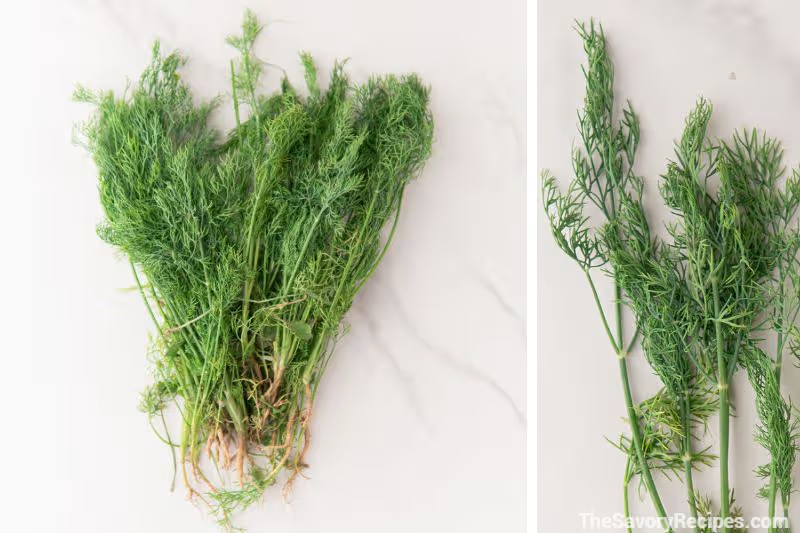
Thì là – Dill (Anethum graveolens) is a herbaceous plant belonging to the Apiaceae family, commonly used as a spice (especially in fish soups and fish cakes) or as a medicinal herb. Native to North Africa and West Asia, dill is grown widely in Eurasia, where its leaves and seeds are used as a herb or spice for flavoring food.
Flavor: Grassy, herbaceous flavor with a slight sweetness and a mild, aromatic
Health Benefits: Dill contains essential oils, such as fennel, which help move the bowels, reduce cramps, and ease bloating and indigestion. Its high levels of vitamin C and plant compounds provide antioxidant, cell-protecting, and anti-swelling benefits. (Hao et al., 2021)
The plant compounds in fennel act like estrogen, helping regulate periods and reduce premenstrual symptoms. (Haghi et al., 2024)
Served with: Vietnamese Sweet & Sour Fish Soup, Fried fish eggs with dil, Chả cá lã vọng …
Vietnamese Mint – Húng Lủi
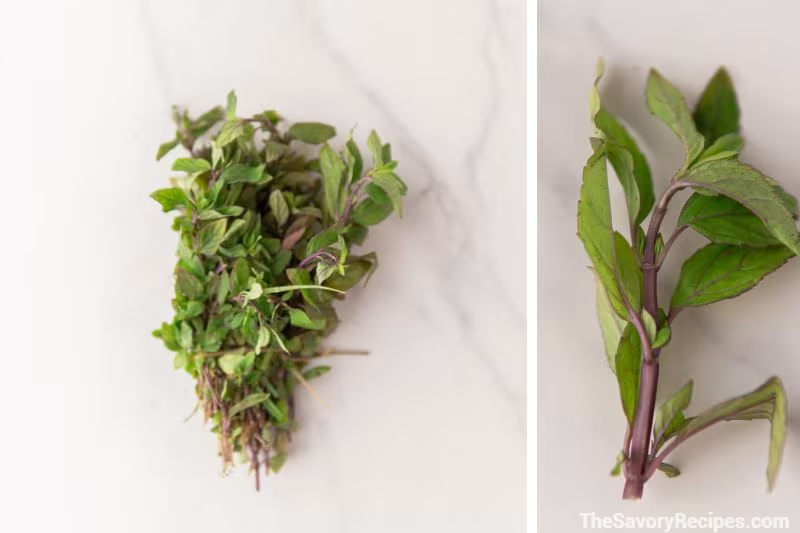
Húng lủi – Vietnamese Mint (Mentha crispa L) is an aromatic herb belonging to the Lamiaceae family, genus Mint, native to Europe and Southwest Asia. It is a popular spice, often eaten raw, served with pho, vermicelli, spring rolls, or used to garnish food.
Flavor: Slightly spicy, tangy taste with a sweet aftertaste
Health Benefits: Vietnamese mint has menthol that soothes the throat, reduces coughs, loosens mucus, and helps clear airways during colds or asthma. It has antioxidants that help heal wounds, reduce swelling, and prevent acne.
Its essential oils also fight harmful mouth bacteria, helping to freshen breath. Antioxidants and plant compounds protect cells from damage, helping prevent cancer.
Served with: Northern Phở, Chicken salad, Vietnamese Spring Rolls …
Lolot Leaf – Lá Lốt
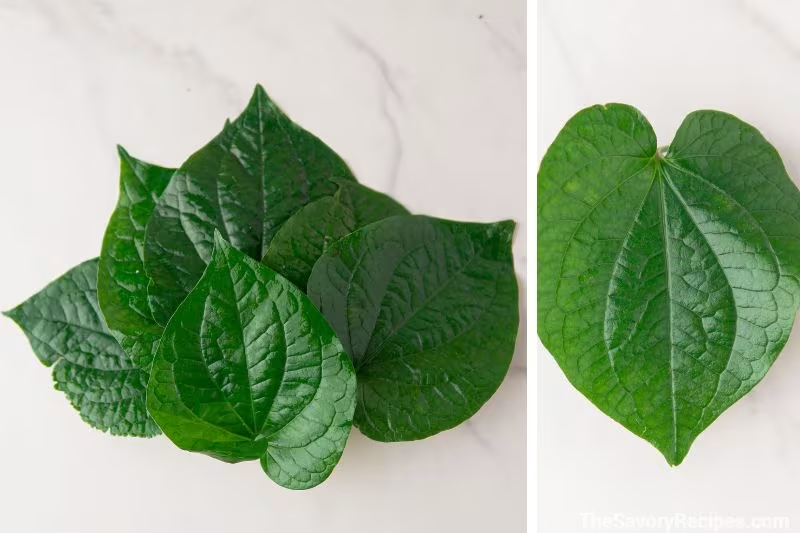
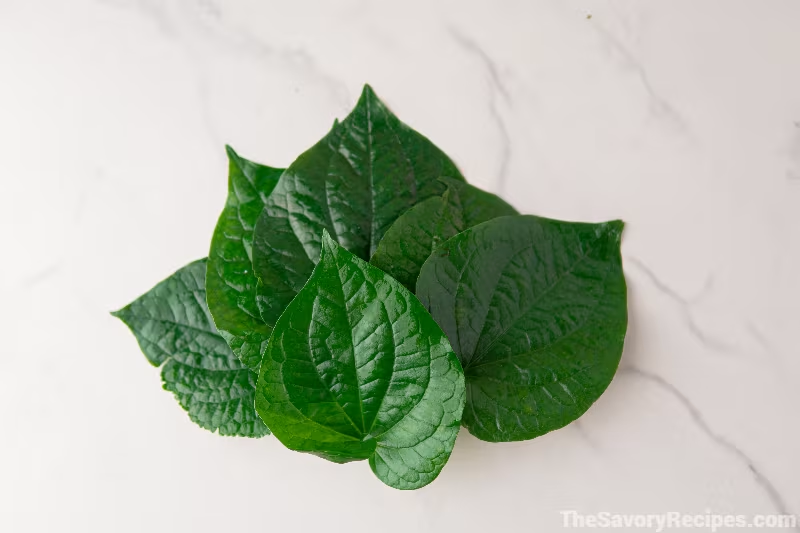
Lá lốt – Lolot Leaf (Piper sarmentosum) is a perennial herb in the pepper family (which includes betel and black pepper). It grows to about 30–40 cm tall, standing upright when young, but as it matures, its stem elongates and spreads along the ground.
The leaves are simple, fragrant, smooth-edged, alternate, heart-shaped, shiny, with five main veins from the leaf stem; the leaf stem has a sheath. Flowers grow in clusters where the leaves meet the stem. The fruit is a berry with one seed.
Piper betel is usually grown from cuttings in moist areas along water’s edges to harvest its leaves for use as a spice and medicine. Piper betel leaf rolls and grilled beef wrapped in Piper betel leaves are two of Vietnam’s signature dishes.
Flavor: Spicy, pungent flavor mixed with a slight bitterness and astringency.
Health Benefits: The active parts in betel leaves help improve blood flow, warm the body’s energy channels, reduce swelling and joint pain (especially in cold weather), and ease toothaches and headaches. They also warm the stomach and help reduce bloating, indigestion, diarrhea, and cold-related belly pain.
Betel leaf tea or betel root extract helps clean the mouth, prevent gum disease and bleeding, and heal boils.
Served with: Vietnamese Grilled Beef with lolot leaf, Vietnamese grilled pork wrapped in betel leaves, Stir-fried frog with betel leaves …
Note:
- Although very helpful, you should only use 50-100g of betel leaves per day for culinary or medicinal purposes. Using more than this amount may cause side effects such as internal heat, mouth ulcers, and constipation.
- People with liver problems, bad mouth sores, or stomach pain should use it less.
Why Vietnamese Herbs Are Different From Western Herbs?
Fresh, Not Dried
In Western cooking, herbs are often added while cooking, like thyme to broth or dried oregano to a sauce. Vietnamese cooking is different. Most herbs are added after cooking or served raw on the side, so you can add them yourself.
This is important because heat destroys the delicate parts that give fresh herbs their smell. Thai basil added to hot pho softens just enough to release its scent without losing it. Fish mint? You never cook it — its flavor only works raw.
The Medicinal Tradition
Before modern medicine was common in Vietnam, families used fresh herbs as daily remedies. Perilla to ease colds. Pennywort to cool the body in summer heat. Lemongrass to calm upset stomachs. Many of these uses have been studied by modern research — the “medicine” was just good food all along. (Jiang, 2019)
How to Store Vietnamese Herbs ?
Refrigerator
For most Vietnamese herbs — cilantro, mint, perilla, rau răm — treat them like flowers: trim the stems, put them in a jar with 1–2 inches of water, and cover loosely with a plastic bag. Keep in the fridge. Change the water every few days, and they will stay fresh for a week or more.
For delicate herbs like kinh giới or rice paddy herb, the paper towel method works better: wash, dry in a salad spinner, wrap in a slightly damp paper towel, and seal in a zip bag.
Exception: Thai basil does not like the fridge. Keep it at room temperature in a jar of water, like a small bouquet on your counter. Putting it in the fridge turns the leaves black.
Freezer
Lemongrass freezes well — whole stalks go straight into a bag. Green onions and cilantro can be frozen chopped (spread on a tray first, then bag once frozen). Most delicate fresh herbs — Thai basil, mint, perilla — do not freeze well. Their texture becomes mushy. Freeze them only if you plan to cook with them, not if you plan to use them fresh.
How to buy Vietnamese Herbs?
Where to Find Them?
Your best source is an Asian grocery store — Vietnamese, Chinese, or Korean — which usually has the main herbs. For harder-to-find ones like ngò om, diếp cá, or kinh giới, look at Vietnamese or Southeast Asian markets. Regular supermarkets usually have cilantro, mint, basil, and green onions. For the rest, plan a weekly trip to an Asian grocery store.
What “Fresh” Looks Like?
Look for bright color, no yellow leaves, firm stems, and a strong smell when you crush a leaf. Avoid bunches with slimy spots, brown edges, or a bad smell. For herbs in sealed bags, check for moisture inside the bag — this means the herbs are starting to spoil.
Grow Your Own
If you cook Vietnamese food often, growing your own herbs is the best improvement you can make. The easiest three to start with are: mint (very hard to kill, grows in water or soil), green onion grows back from the white root in a glass of water on your windowsill), and rice paddy herb (takes cuttings from the market, roots in water within a week).
All three grow well in warm, humid places — perfect if you live somewhere warm — and are easy to care fore indoors with a sunny window.
Kem Chuối - Vietnamese Banana Ice Cream - thesavoryrecipes.com
October 11, 2026 @ 3:40 am
[…] Vietnamese coconut milk Nước Cốt Dừa Vietnamese herbs – Cây Gia Vị […]